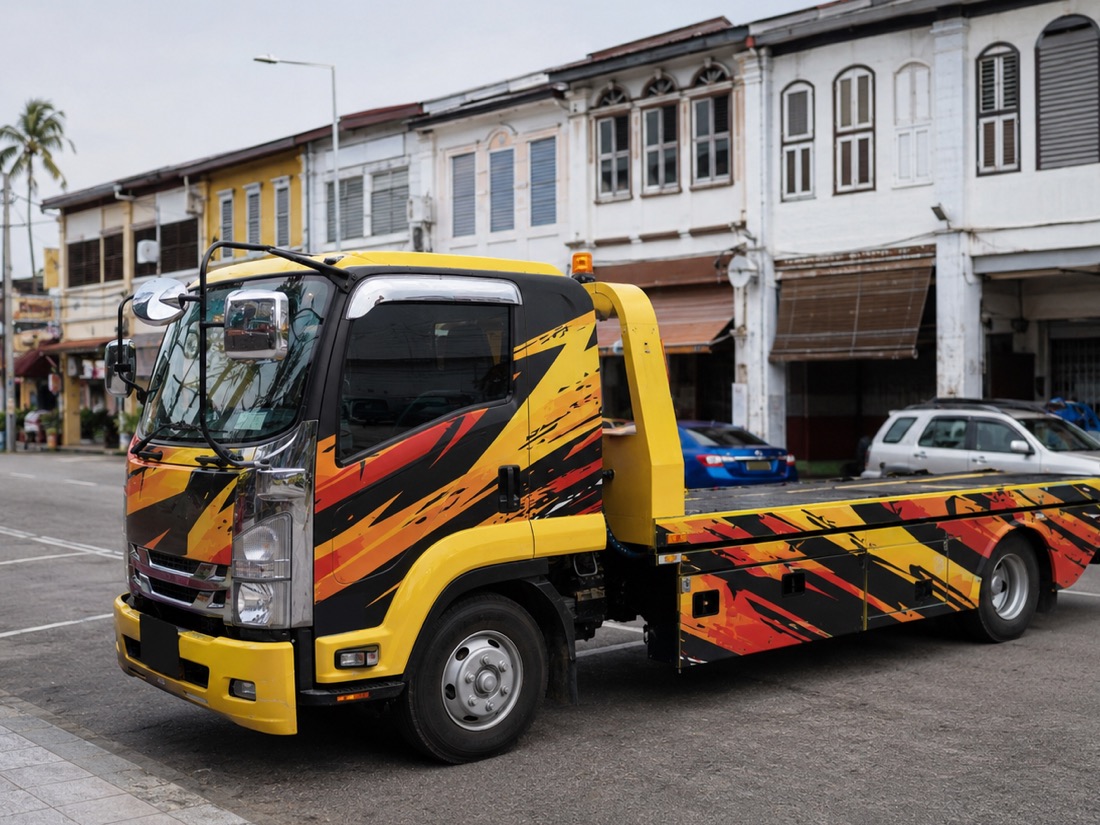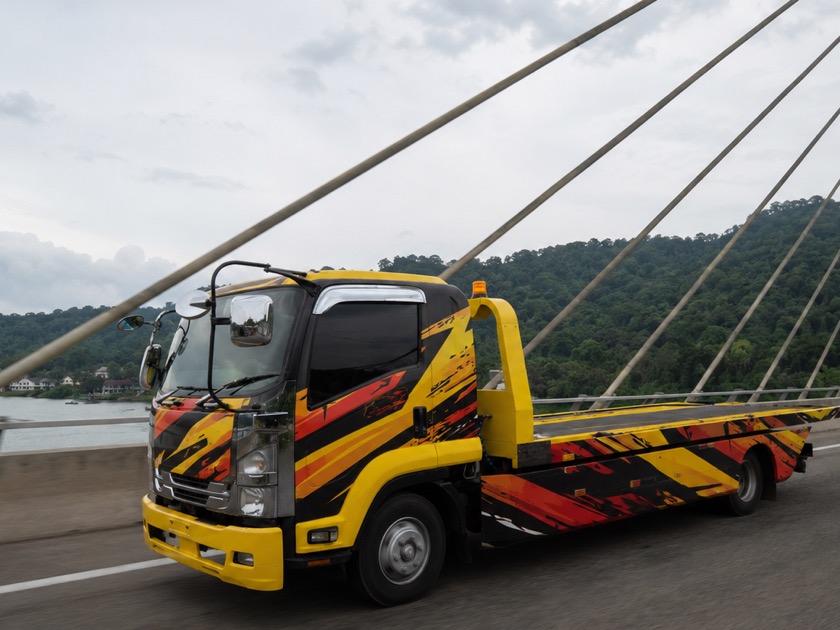
What Roadside Assistance Is — And How It Differs From a Towing Service
Plenty of drivers use the two terms as if they mean the same thing. They do not, and the difference decides who you should be calling.
Roadside assistance means a crew comes to you with tools and tries to get the vehicle moving again under its own power. Battery jumpstart, swapping on the spare tyre, delivering a bit of fuel, opening a locked door — quick work done where you are parked.
Towing means your vehicle is not moving under its own power today. It gets lifted onto a truck and delivered to a workshop, or wherever else you decide it should go.
The quickest way to work out which one you need: ask yourself whether one small part or one simple action would solve the problem. If yes, that is a roadside assistance job. If the trouble is in the engine, the brakes, the transmission or a wheel — get ready for the truck.
- Roadside assistance: the car recovers on the spot and you carry on driving
- Towing: the car is carried, and you ride along or arrange your own transport
- Recovery: the car has to be pulled out of a drain, mud or a slope before it can even be loaded
- One thing both share: they start with you stopping somewhere safe
Four Roadside Assistance Options in Malaysia — Right Down to a Private Tow Truck Operator
In Peninsular Malaysia you usually have four doors to knock on. Each one has its own strengths and its own ceiling.
First, the benefit inside your motor insurance or takaful policy. Most comprehensive policies include some roadside assistance and free towing, but nearly all of them are capped — a distance limit, a number of calls a year, and a fixed list of panel workshops. Read your policy schedule now, not while you are sitting on the shoulder.
Second, the highway concessionaire hotline. If you break down inside a tolled stretch, the concessionaire runs its own patrol units and will normally move the vehicle out of the highway area. Understand the limit though: their job is clearing the road, not delivering your car to the workshop you prefer.
Third, an automobile club membership. You pay a yearly fee, and in exchange you get assistance and towing within set limits. Worth it if you clock long distances regularly.
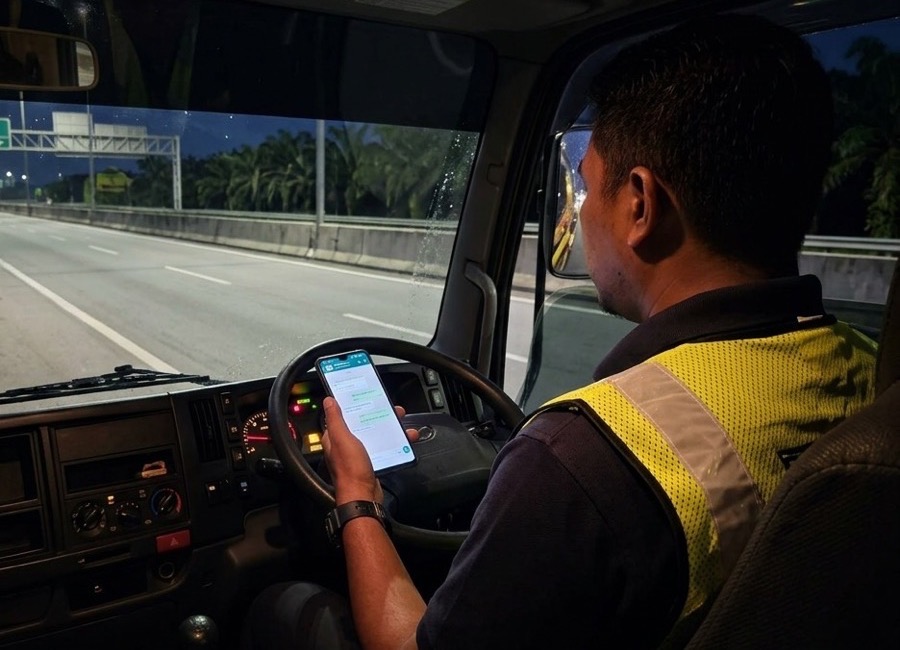
Fourth, a private tow truck operator. No membership, no panel, no forms. You WhatsApp, confirm the price, and the unit moves. This is the most flexible option — and often the only one left once the policy cap is used up, when you want the car sent to your own mechanic, or when the breakdown happens far from any tolled road.
Most drivers end up mixing them. Try the free benefit first, and keep a private operator saved in your phone as the backup for when the answer is "outside our coverage".
- Insurance / takaful policy: free within the cap, but panel and distance conditions apply
- Highway concessionaire: tolled stretches only, and they choose the drop-off point
- Automobile club: membership has to be active before the breakdown, not after
- Private operator: you pay, but you pick the destination and there is no distance cap
Problems Usually Sorted Out on the Spot Without Car Towing
Not every car that stops needs to be carried away. These are the cases that most often recover right where they stand.
A flat battery is number one. A jumpstart is usually enough to get the engine running again. But remember one thing: a jumpstart only treats the symptom. If the real cause is an alternator that has stopped charging, the car will die again somewhere down the road — and the second time is usually a worse spot.
A puncture is solved if your spare still holds air and the jack and wheel spanner are actually in the boot. If the spare itself is flat, or you hit a pothole and lost two tyres at once, that becomes a towing job.
Running out of fuel is easy too — the crew brings enough to reach the nearest station. Keys locked inside depends on the model; cars with smart keys and modern immobilisers usually need the manufacturer rather than a bent wire.
If you noticed something odd for a few days before the car actually stopped, our list of signs your car is about to break down explains the early warnings you were meant to catch sooner.
- Weak battery — jumpstart, but get the charging system checked the same day
- Puncture — swap to the spare if it holds air and the tools are complete
- Out of fuel — emergency top-up delivered to your location
- Blown fuse or a loose battery terminal — small job, big effect
- Coolant slightly low — a temporary top-up once the engine has fully cooled
- Keys locked in the car — depends on the locking system fitted
Cases That Still Need Flatbed Towing Even After Roadside Assistance Arrives
Some faults cannot be repaired on the shoulder by anyone, and trying to drive on in that condition only adds to the bill.
A badly overheating engine, an oil pressure light glowing, or heavy knocking from inside the engine — all of these mean the engine should be switched off and left off. Every extra kilometre turns a moderate repair into a major one.
Brakes and steering are a safety matter, not a cost matter. A brake pedal that sinks softly to the floor, or steering that suddenly goes heavy, means you have less control of the car than you think. That is a carry job, full stop.
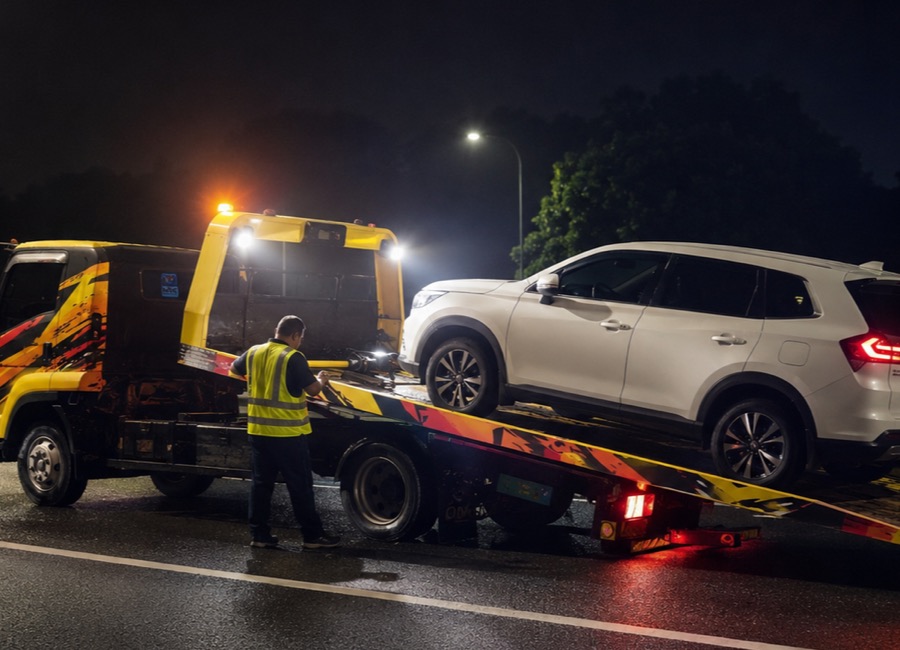
A locked wheel, a collapsed bearing, or a car after an accident cannot be towed with the wheels turning. The same goes for an automatic that will not shift into neutral and for every electric vehicle — all of them are safer lifted fully onto a flatbed.
For motorcycles, a fall usually damages the tank, the levers or the electrics even when the engine still fires up. For lori and heavy vehicles, the 5 tonne, 10 tonne and 15 tonne classes each need a different unit — mention the tonnage upfront so the right one is sent.
If you are still unsure which side your case falls on, our guide to the difference between towing and roadside assistance walks through the situations one by one.
Already clear that the car has to be carried? WhatsApp Abang Tow — send your live location, the vehicle type and the fault in one message. The full price is confirmed in the chat first, then the unit moves.
- Overheating engine, lost oil pressure, or heavy knocking noises
- Soft or failed brakes, or steering that suddenly turns heavy
- Locked wheel, collapsed bearing, jammed gear or a failed transmission
- An automatic that will not go into neutral, and any EV — flatbed only
- After an accident, or after the engine has swallowed flood water
- A motorcycle that has gone down, and lori in the 5, 10 or 15 tonne classes needing a heavy unit
Rural Coverage, Late Nights and Interstate Towing — What to Realistically Expect From a 24 Hour Towing Service
This is the part nobody tells you honestly. Roadside assistance does not work equally well in every place at every hour.
Along the main west coast corridors, options are plenty and easy to arrange. On smaller federal roads, plantation areas, kampung roads and east coast routes after midnight, the options shrink. Not because nobody wants to come, but because the distance a unit has to cover is genuinely longer.
That is exactly why your location details matter more out there than anywhere else. Highway KM markers, the name of a junction, the nearest mosque or petrol station, and which direction you were heading — all of it shortens the search.
Night-time brings a second reality: workshops are closed. A unit can carry your car that same night, but the actual repair most likely starts the next morning. Decide on the drop-off point early — home, your usual workshop, or a car park where the vehicle is safe.
For a run across state lines, name the final destination from the start so the interstate price is worked out in one go rather than added later. If you break down on the southern route, our towing Melaka and the surrounding area page shows how state coverage is laid out.
- Share a live location, do not just type the name of a place
- Say which direction you were travelling — north or south, into town or out of it
- Use the nearest highway KM marker or exit as a reference point
- If the phone signal is weak, send the location first and type the full story after
- Save more than one number in your phone before you ever need it
How to Size Up an Operator Before Handing Over the Keys — Checklist Before You Call a Tow Truck
You are handing a vehicle worth tens of thousands of ringgit to someone you met a few minutes ago. Treat it as a transaction, not as a favour.
Work through this order before your car goes up on the truck:
- Ask for the full price in writing over WhatsApp — not a verbal estimate at the scene
- Confirm what that price covers: distance, tolls, winching, and any extra work
- State your destination and get the operator to confirm they will deliver there
- Ask which unit is coming — flatbed or wheel-lift — and match it to your vehicle
- Photograph the car from every angle before it is loaded, including the odometer
- Take your documents, cards and valuables out of the car
- Note down the tow truck registration number and the driver name
- Do not hand over the keys until the price is confirmed and the destination is agreed
When Roadside Assistance Is Not Enough — Car, Motorcycle and Lorry Towing Takes Over
The conclusion is simple. Roadside assistance solves small problems where you stand. When the problem is not small, the vehicle has to be carried — and being slow to accept that only pushes the repair bill higher.
As a rough guide for cars, a move under 50 km starts from RM250, under 100 km from RM450, and under 150 km from RM550. The final price depends on actual distance, vehicle type and the condition of the wheels.
Stranded right now? Send your live location, the vehicle type and the fault in one WhatsApp message. Abang Tow is on standby 24 hours, 7 days a week across Peninsular Malaysia — cars, motorcycles and lori. Price confirmed first, then the unit moves. No hidden charges.