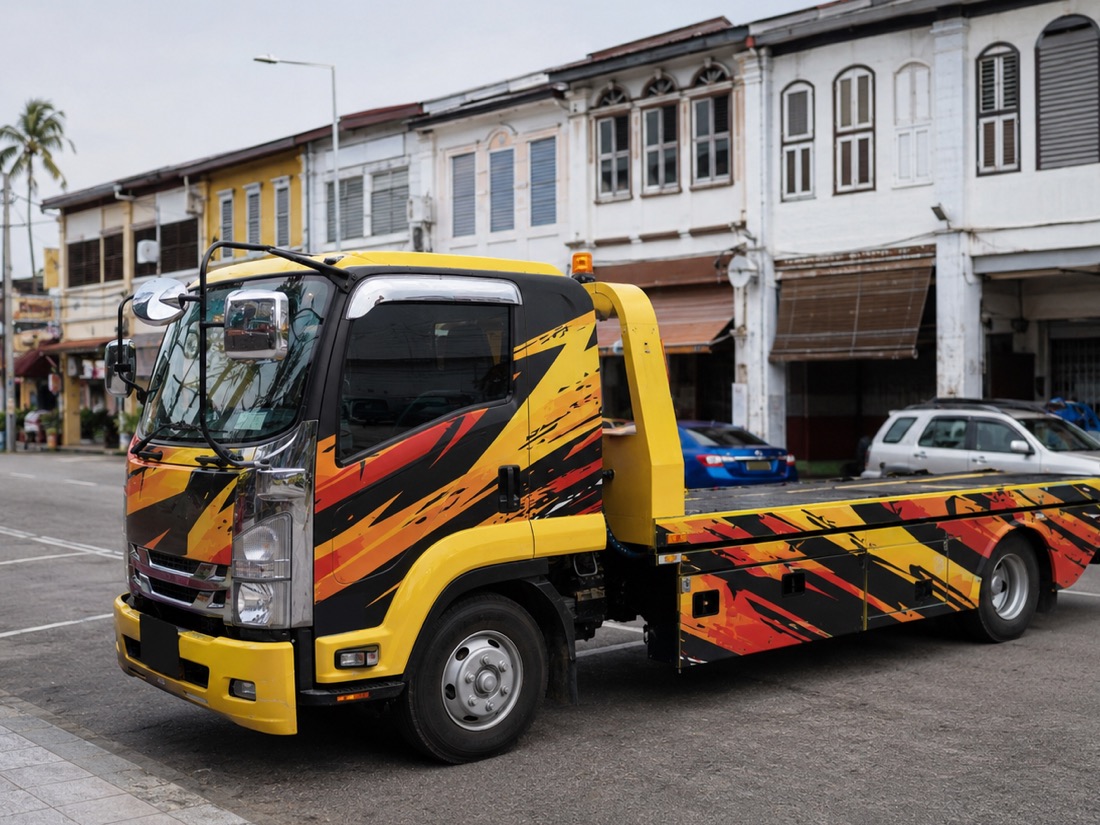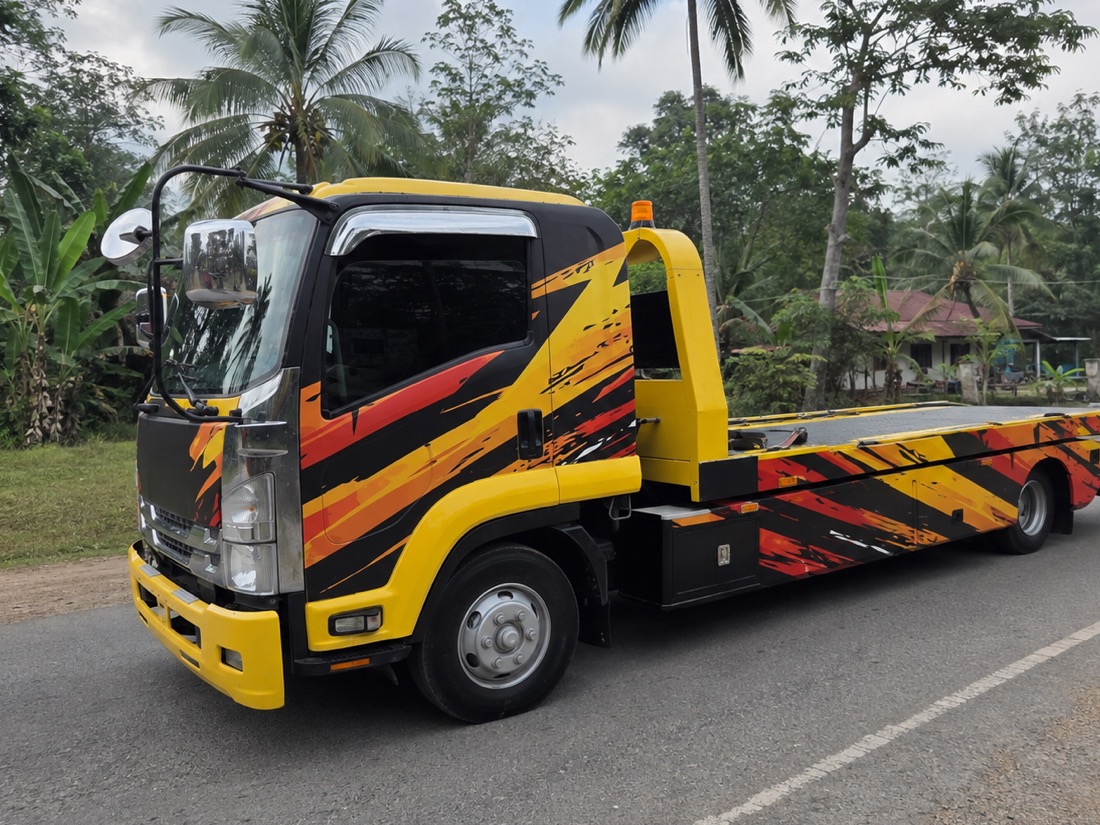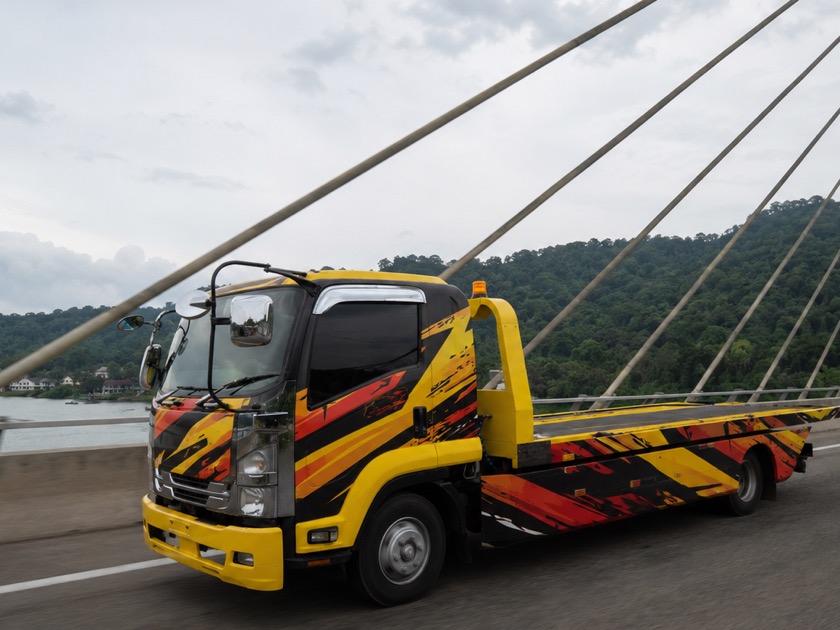
When People Need Interstate Towing — The Three Most Common Situations
Most people never think about sending a car to another state. Until the day they have to.
These three situations are the ones that land in our chat most often. If you are in one of them, you are not an odd case — this is routine work.
- Moving house or moving for a new job. The furniture goes on a moving lori, but the second car in the household has nobody to drive it. One spouse drives one car up, the other has to fly, and the second car stays parked in the porch.
- Buying a car in another state. You found the right unit in Johor while you live in Kedah. The price is worth it, but you would rather not fly down just to drive back a car whose service history you have not seen yet.
- A breakdown while you were outstation. You went back to your kampung for the holidays, the car gave up there, and your leave has run out. The car cannot sit in a relative’s driveway for a month.
Car Not Roadworthy? Why Car Towing Is Safer Than Driving It Yourself
There is one sentence that usually comes right before a bad decision: "Can lah, I drove it home just now and nothing happened."
Driving five kilometres home on a hot engine, soft brakes or bald tyres is possible. Driving three hundred kilometres on the PLUS highway at a steady speed is a completely different test. Small faults do not stay small when you make them work for hours.
This is the list we most often advise people not to drive across state lines:
- The engine has overheated before and the cause has not been confirmed — a head gasket can let go mid-journey, far from any workshop.
- Noisy brakes, a soft pedal, or brake work that has just been done and never tested over distance.
- Bald tyres, or tyres that are simply old even though the tread still looks fine — a blowout at highway speed is not a minor inconvenience.
- A newly bought car with an incomplete service history. Your first drive in that car should not also be your longest.
- An auto or CVT gearbox that sometimes hesitates, and an EV with a battery fault — both of those are flatbed cases.
- A car that still starts after an accident. A bent chassis does not track straight, and you will not notice until the moment you have to swerve.
Pickup and Drop-off Points — Home, Workshop or Showroom Before the Tow Truck Moves
This is the part people think about last and the part that delays bookings most. Distance is rarely the problem — access is.
The pickup and drop-off points can be anywhere: a terrace house, a condo porch, a workshop, a used car showroom, or a company depot. What matters is that we know the shape of the place before a unit is dispatched, not after the driver arrives and finds the lori cannot get in.
Basement car parks are the classic sticking point. Most basements have a height limit that a flatbed tow truck simply cannot clear. If your car is in a basement, it usually has to be brought up to street level first — and if the car cannot move at all, that is winching work that has to be planned, not discovered on the day.
Condominiums and gated areas have a second issue: the guardhouse. Some managements want written approval before a heavy vehicle enters, and some restrict the hours. Tell us early, not when the driver is already at the gate.
For the drop-off point, settle one thing before anything else: who will be there to receive the car and the key. If the workshop is closed when the car arrives, your car ends up waiting outside — a risk that one message could have avoided.
If you cannot be there yourself, give us the name and number of whoever will take delivery. Some showrooms also have a specific bay for unloading — ask them first, then send that detail across with everything else.
Not sure whether your location is accessible? WhatsApp photos of the porch, the entrance or the basement door — we can read it from the photos and tell you which unit suits, before any price is quoted.
Flatbed Towing for Vehicles With No Road Tax or Active Insurance
This question comes in almost every week: "My car has no road tax, can still send or not?"
Here is the difference. A vehicle moving on its own wheels on a public road needs valid registration, road tax and insurance. A vehicle carried entirely on a flatbed is not moving on its own wheels — it is travelling as cargo on a lori. That is why a car that has been sitting for years, an auction car, or a car with expired road tax can still be moved.
Do not assume the paperwork disappears, though. It just shifts to you, and it is far better sorted out before the car arrives than after.
If you are buying a car from another state, the JPJ ownership transfer and any related Puspakom inspection are between you and the seller — not the towing provider. Check the current requirements directly with JPJ or Puspakom before you pay a deposit, because the rules change over time and a WhatsApp group is not an official source.
One more thing worth asking any provider before you book: what cover applies to your vehicle while it is in transit, and what gets recorded before it is loaded. We ask for photos of every angle before loading and after unloading. That protects both sides, and any serious operator will do the same.
Also, do not leave valuables in a car being sent interstate. Clear out the boot and the compartments — this is vehicle delivery, not a house-moving service.
One Trip, Several Vehicles — Car, Motorcycle Towing and Lorry Towing Together
When you are moving house, it is usually not just one vehicle that is stranded. There is the second car. There is a motorbike in the store room. Sometimes there is an old car that has not been started in ages.
Sending them one by one means each run is priced as a separate journey. Put them on one trip and the cost is shared between the vehicles — and that is usually the more sensible way.
Combinations we arrange often: one car and one motorbike on the same unit, or two cars together depending on size and weight. Motorcycle towing means the bike travels strapped down properly, not balanced behind a car. For commercial vehicles, lorry towing is matched by tonnage instead — 5 tonne, 10 tonne or 15 tonne — so tell us the vehicle type and weight early so the right unit goes out.
Flexible dates help too. If you are not tied to one particular day, the delivery can be arranged alongside a run already planned in that direction. If you need a fixed date and time, that works as well — just say so early so the slot can be locked in.
For price reference: a move under 50 km starts from RM250, under 100 km from RM450, and under 150 km from RM550. Interstate runs normally go beyond these ranges, so the actual price is worked out from the full distance, the vehicle type and its condition. The final figure is confirmed in the chat before the unit moves — not after your car is already on the lori.
What We Ask Before an Interstate Towing Booking Is Confirmed
An interstate booking is not a roadside assistance call. It is planned, and the planning depends entirely on the information you give at the start.
Send these ten things in one message and you get an accurate price on the first try, instead of after five rounds of questions:
- Full pickup address with a map pin — not just the name of the taman.
- Full drop-off address, plus the name and number of whoever will receive the car there.
- Vehicle details: make, model, year and transmission (manual, auto, CVT or EV).
- The real condition: does it start, do the wheels turn, do the brakes work, is the steering locked.
- Any modifications — low bodykit, lowered suspension, or tyres and rims larger than standard.
- Road tax and registration status, so the correct method of transport is planned from the beginning.
- Access at both ends: basement or street level, how wide the entrance is, and whether the area is gated or guarded.
- Who holds the key, and how the key will be handed over at the other end.
- The date you want, and whether that date can shift or is fixed.
- Photos of the vehicle from four angles, plus photos of any existing damage. That early record is for your own protection.
24/7 Towing Service and Roadside Assistance — Your Next Step
You do not need every answer before you start asking. Most people who WhatsApp us know only two things: the car is here, and the car needs to get there.
We work through the rest in the chat — the right loading method for your type of car, the unit that can actually reach your location, and a date that makes sense. The full price comes after that. The price confirmed in the chat is the price you pay.
Standby 24 hours, across all 13 Peninsular states. WhatsApp the origin, the destination and the vehicle type — you get a full quote back before any unit moves.